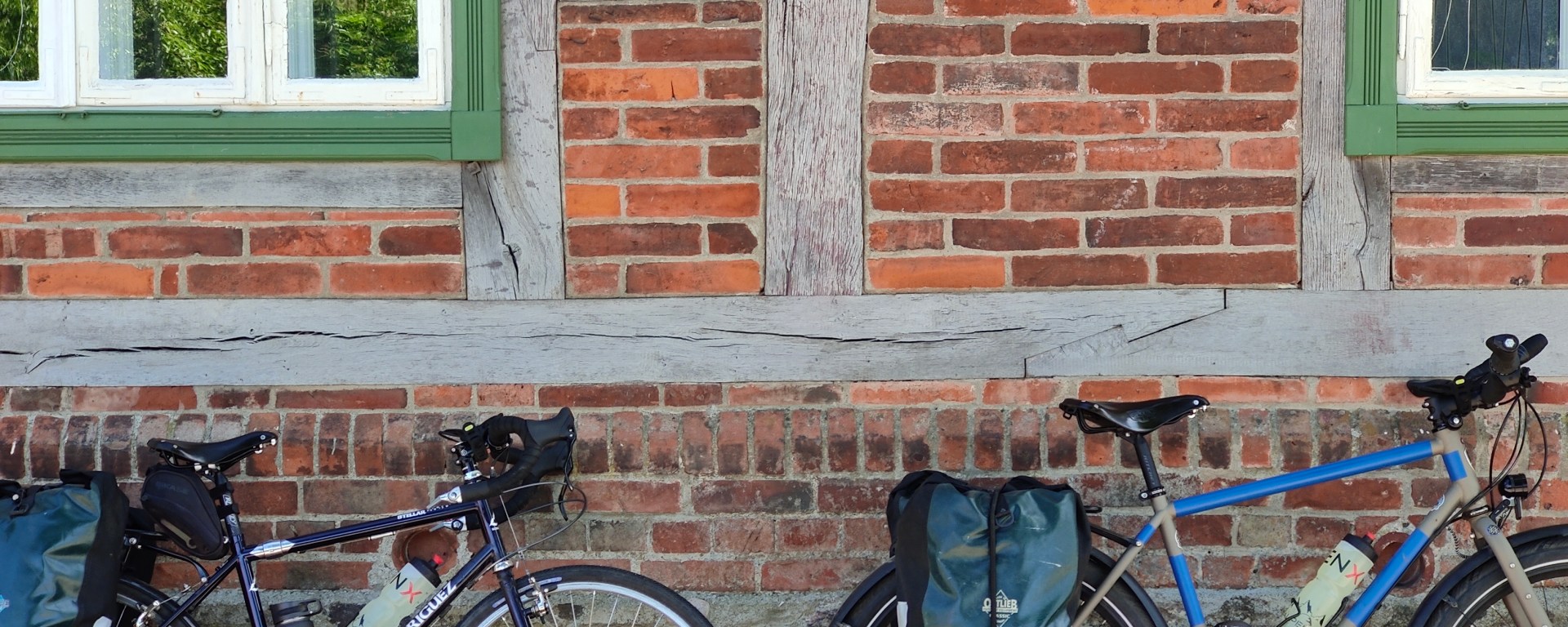
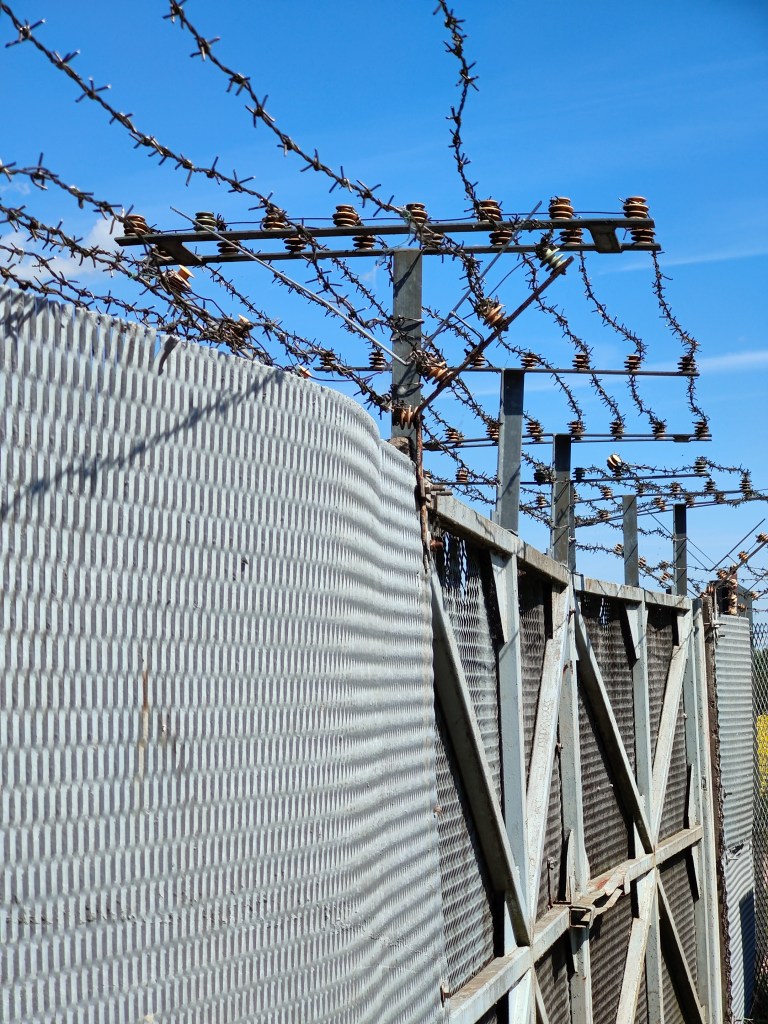
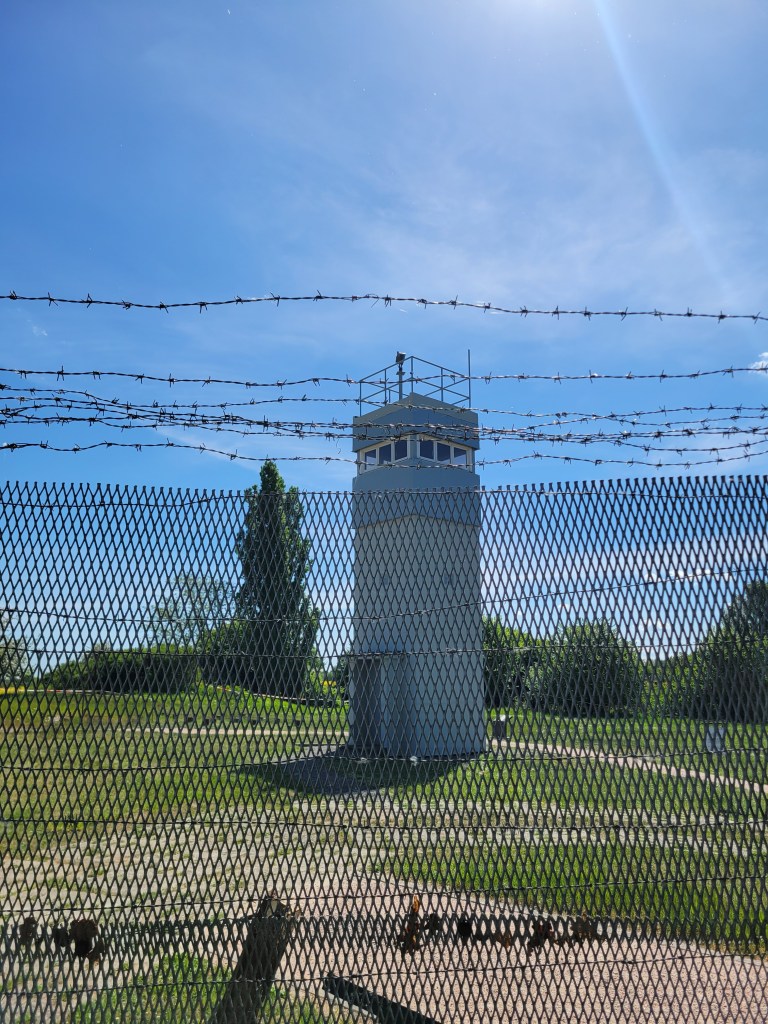
Encountering a four-day-weekend around the german “labor-day”, Emmy and I spontaneously decided to take a ride into the beautiful german state of Mecklenburg-Vorpommern. Lübeck – the city we currently live in – is situated right next to the state-border. In times of the “cold war” this meant also the inner-German border between east and west. Ironically the eastern part of Germany was called the German Democratic Republic (GDR) and was actually a dictatorship. The western part was the Federal Republic of Germany (FDR) and adopted the eastern part during the german reunion in 1990. From the Baltic coast in the north down to the Czech frontier in the south, the inner-German border wound its way through forests, fields, and towns for some 1,393 km—making it the longest fortified border in Europe during the Cold War. The whole border was heavily secured, intended to keep the GDR-citizens from escaping their country and caused more than 1,300 fatalities of those who tried anyways.
Situated so extremely close to the vivid city-center of Lübeck, it is hard to believe how unreachable the whole area to the east once was.
Riding our bicycles eastbound out of Lübeck we soon recognise big, grey and mostly abandoned buildings on the outskirts of every village. These are the remainings of the VEBs “Volkseigene Betriebe” which were installed by the GDR-government right after foundation of the country in 1949. These industrial-like farms were meant to be way more efficient than the privately owned small farms and were officially owned by the people. So, I think the idea was not too bad. From the people for the people – but evidently the chosen approach (oppression and rigid top-down-planning) was not fitting into reality. Almost all private farmers of the country were taken away their fields and properties in order to have them combined in huge public owned fields. History shows: it did not work too well.
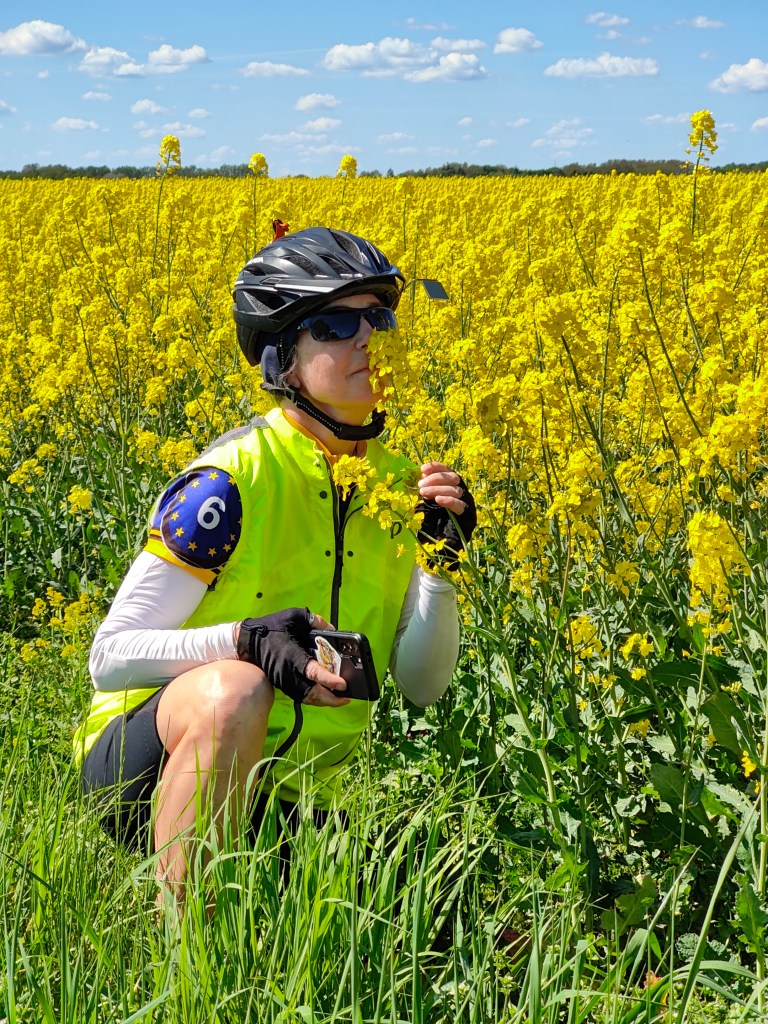
Mecklenburg-Vorpommern is the state within the Federal German Republic (FDR) – that is the second least dense populated. In exchange for this lack of crowded areas it has more than 1000 lakes, 2,000km of coastline to the baltic sea and a beautiful countryside with soft hills.
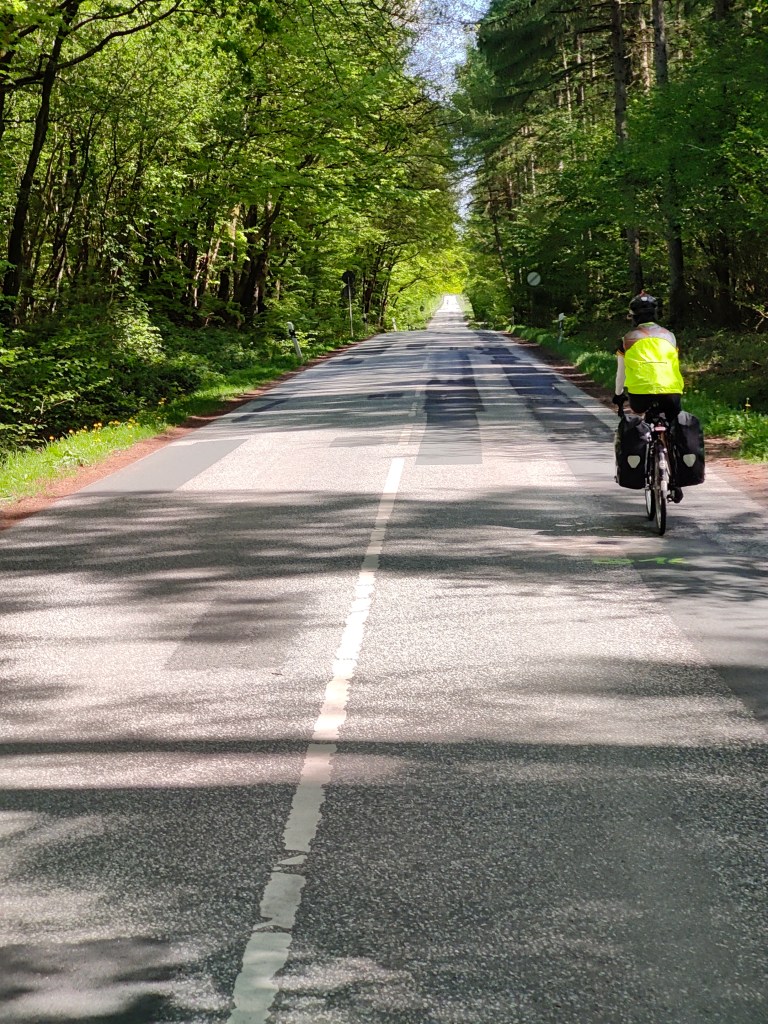
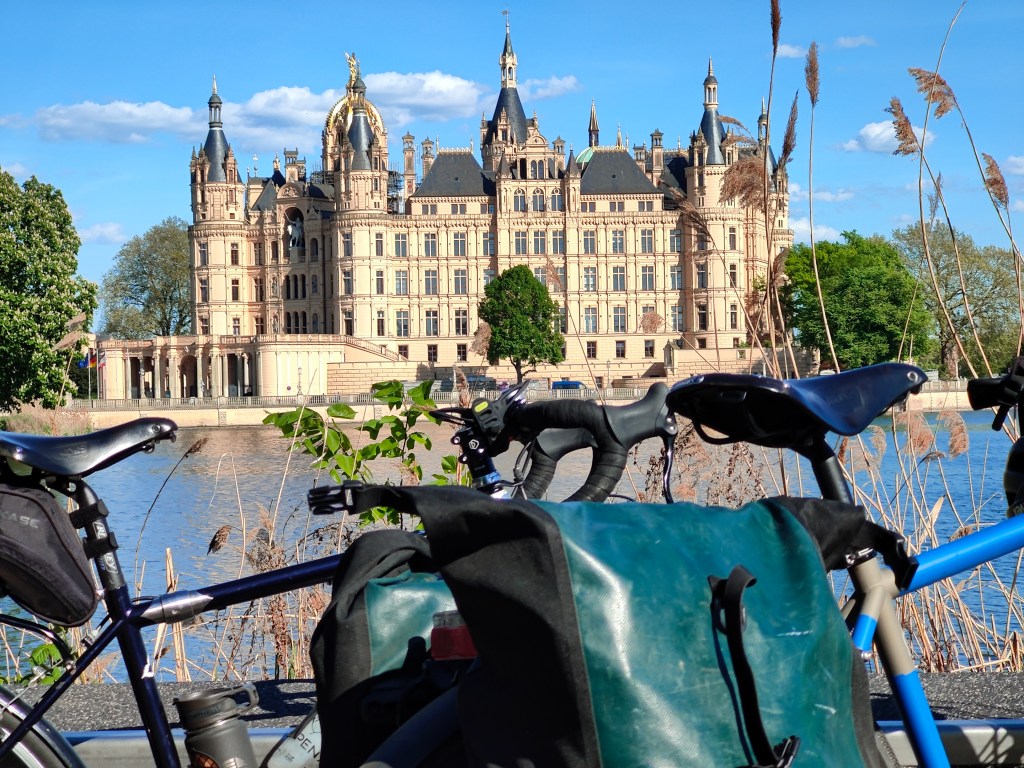
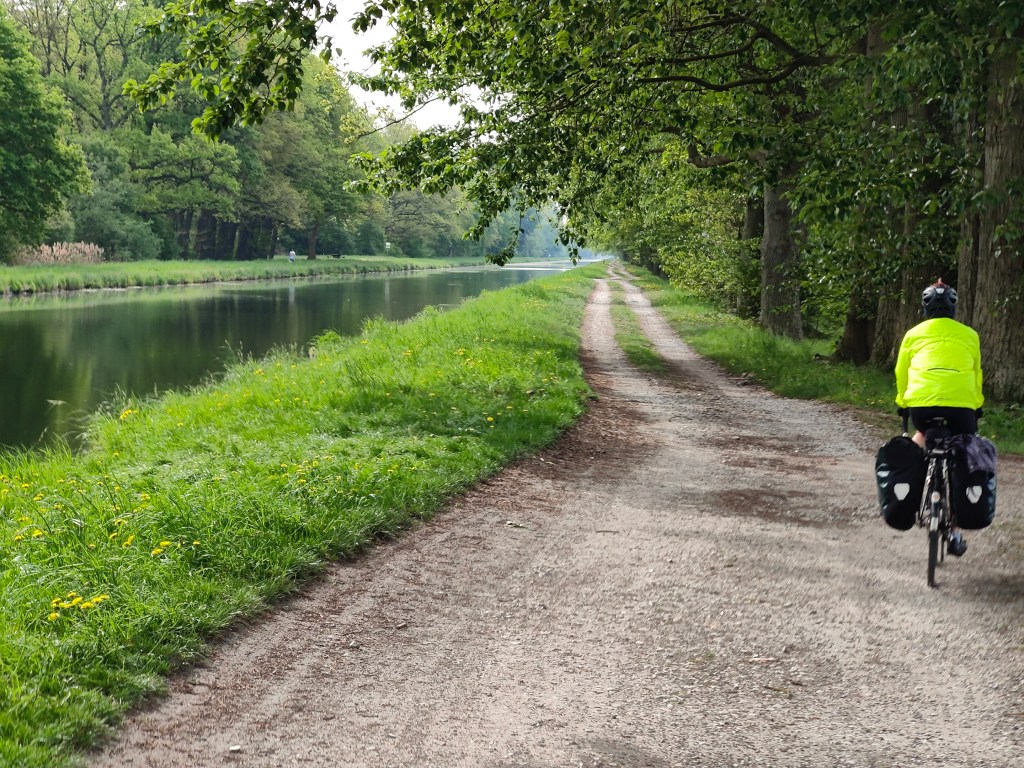
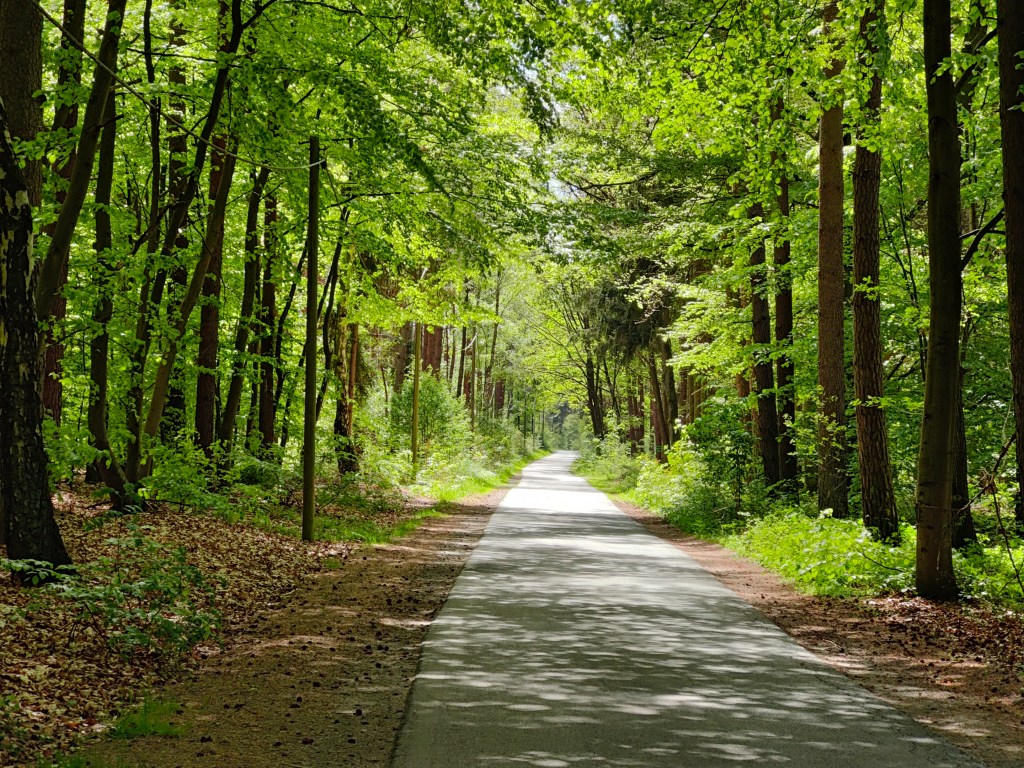
And boy, this state is beautiful! I never knew how beautiful. At times, it seemed to me to be in a huge Disney-World for bicyclists. The infrastructure for bicycle-touring is new and really good. And besides that there are plenty of very remote and smoothly paved roads that one could fly along on a bike with hardly any car-traffic.
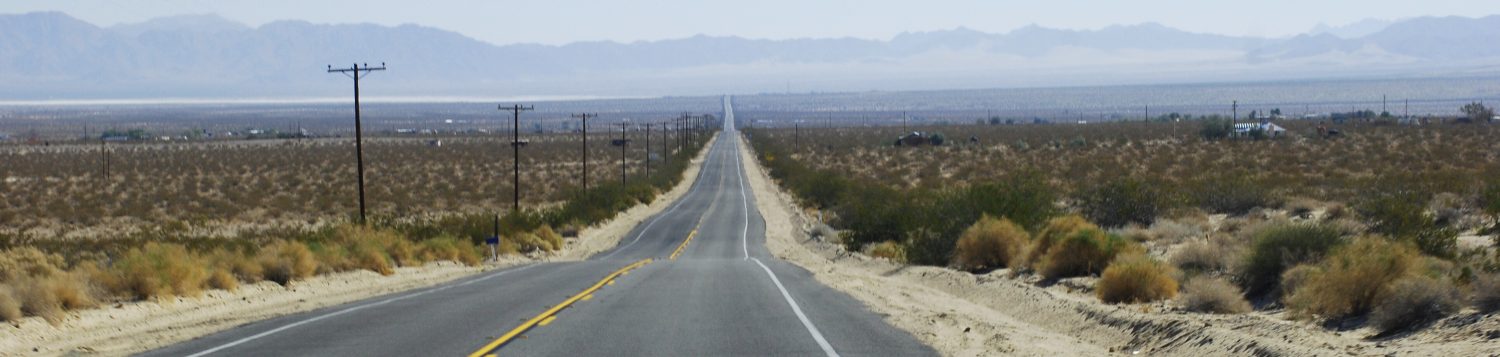
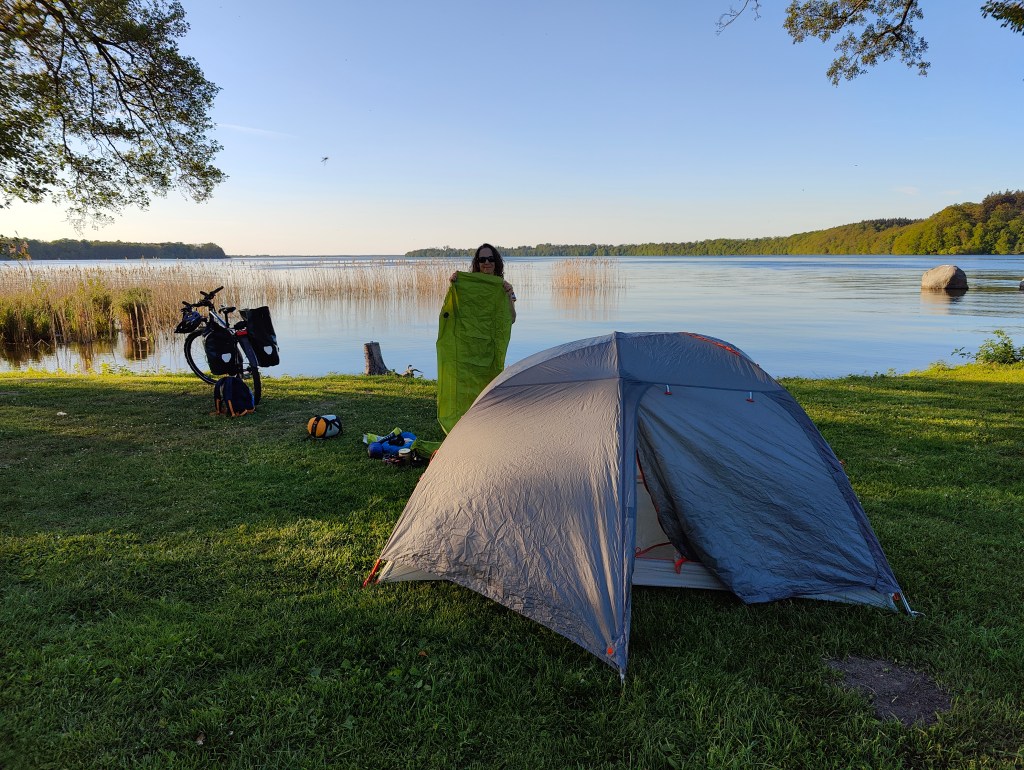
The beauty of travelling with a tent is the feeling of total freedom and self-sufficience. It is like having your own snailhouse with you. Even on weekends that are prone to cause crowded POIs and campgrounds you can be sure to be easy-riding on a bicycle. You wont be stuck in a car-jam. And to find a little spot for your tent and bike on every even totally occupied campground is very likely. was a lot of differences to the landscape we experienced on our last camping-trip in Arizona. Yet the same feeling of fun, play and connection to our surroundings kicks in every time we load our bikes and get on the road.
So, there


 bikeandtent